
Coverage While You Recover
If thinning is visible now, we can discuss wigs and toppers that provide natural-looking coverage while your hair responds to treatment.
Hormonal hair loss support
Hormones are the most common cause of hair loss in women — and for most people, it is reversible. We offer private, one-to-one consultations in Fairport, NY to help you find coverage and confidence while you navigate the journey.
#1 Cause
Hormones are the most common cause of hair loss in both women and men
DHT
Dihydrotestosterone — the specific hormone responsible for hormonal hair loss
Reversible
Unlike genetic hair loss, most hormonally caused hair loss can be reversed
Understanding hormonal hair loss
Hormones are the most common cause of hair loss for both women and men. The specific hormone responsible is dihydrotestosterone (DHT) — a byproduct of testosterone that everyone produces. But the way it presents is very different between the sexes.
Men typically see a receding hairline or a horseshoe-shaped pattern. Women with hormonal hair loss usually notice a diffuse thinning across the entire scalp — the hairline often stays intact, but overall volume and density reduce over time.
Hormonal fluctuations from menopause, thyroid conditions, diabetes, or other imbalances can all disrupt the hair growth cycle. The good news is that unlike genetic hair loss, most hormonally caused hair loss is reversible once the underlying cause is addressed.

The hopeful reality
Unlike genetic hair loss, most hair loss caused by hormonal imbalances can be reversed when the underlying cause is treated. Estrogen and progesterone play a key role in keeping hair in its growing phase — which is why many women notice their thinning begins to improve with estrogen replacement therapy or other hormonal treatments.
Conditions like diabetes can also contribute to premature hair loss. Managing blood sugar levels can help reverse some of the harmful effects on hair growth. If you are working with a doctor on a hormonal condition and experiencing hair loss in the meantime, we can help you find coverage solutions that look and feel natural while your hair recovers.
We always recommend speaking with your doctor about the underlying cause and treatment options. Our role is to support you with practical, private hair loss solutions for the journey.
Every consultation is private, unhurried, and tailored to where you are right now.
If thinning is visible now, we can discuss wigs and toppers that provide natural-looking coverage while your hair responds to treatment.
Women with hormonal hair loss typically see thinning across the whole scalp rather than a defined patch — we find solutions that address this evenly.
Cap construction, fit, and attachment method are all considered with your lifestyle and daily routine in mind.
Color, texture, length, and density are chosen to blend naturally with your existing hair and reflect your personal style.
Common questions
The primary hormone responsible is dihydrotestosterone (DHT), a byproduct of testosterone that both men and women produce. In women, hormonal fluctuations — from menopause, thyroid conditions, diabetes, or other imbalances — can disrupt the hair growth cycle and lead to diffuse thinning across the scalp.
Men typically experience a receding hairline or a horseshoe-shaped pattern of loss. Women with hormonal hair loss usually notice a diffuse thinning spread across the entire scalp — the hairline often stays intact, but overall density and volume reduce noticeably.
In most cases, yes. Unlike genetic hair loss, hormonal hair loss is often reversible once the underlying imbalance is addressed. Estrogen and progesterone in particular help keep hair in its growing phase — which is why many women notice improvement with hormone replacement therapy. We always recommend speaking with your doctor about treatment options.
Yes. Diabetes can lead to a variety of health conditions including premature hair loss. Managing blood sugar levels can help reverse some of the harmful effects on hair growth. If diabetes-related hair loss has left you with thinning or bald areas, we can help you explore coverage options while you work with your doctor on the underlying cause.
Hair loss solutions
Whether you are in the middle of treatment or just beginning to notice thinning, we can help you find a solution that feels comfortable and looks like you.

Full coverage options in a wide range of styles, textures, and colors — fitted privately to you.
Learn more
Targeted coverage for diffuse thinning across the crown and part line that blends seamlessly with your own hair.
Learn more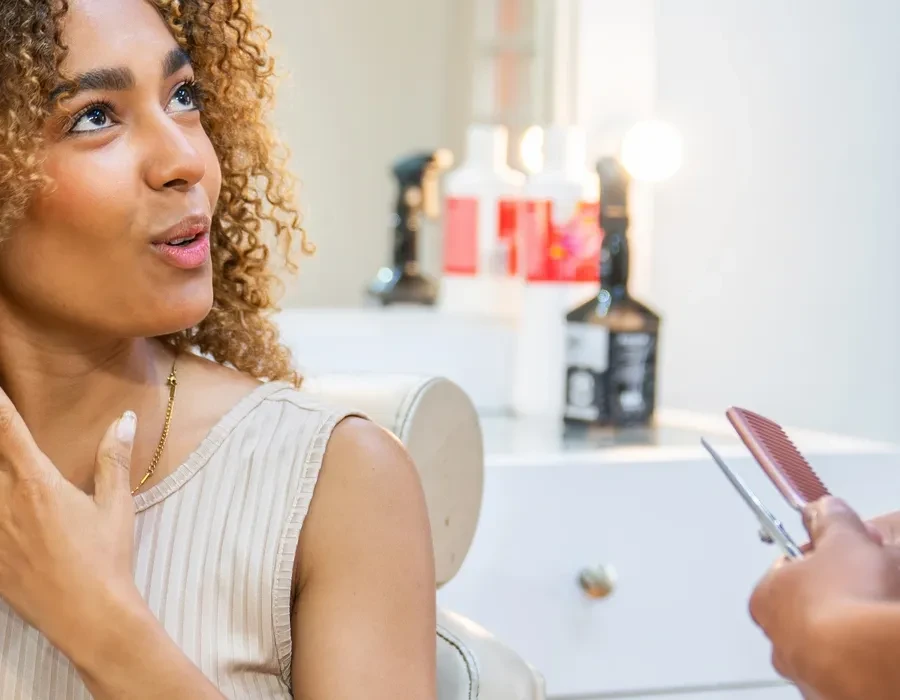
Not sure where to start? A one-to-one conversation with us is the best first step — no pressure, no rush.
Learn moreArrange a private consultation with us in Fairport, NY to explore your options. Come in before treatment, during, or after — whenever feels right for you.